Glen Waverley Civic Precinct
GLAS Landscape Architects was engaged to provide landscape design expertise for the Warrnambool Learning and Library Centre in 2019, working as a sub-consultant to Kosloff Architecture. The scope of the project focuses on the external spaces surrounding the hub, with a design aimed at integrating the new facilities into the existing TAFE campus and connecting them to the surrounding town, all while reflecting the local coastal environment and historical conAt the heart of the landscape concept is a desire to create spaces that not only function well but also connect people to nature and each other. The design takes cues from the coastal landscape, with its sand dunes, rock outcrops, and indigenous plant life, to inform everything from the material choices to the arrangement of planting and seating. The iconic Norfolk Island Pines that frame the entrance stand as sentinels, welcoming visitors into a civic plaza where the boundary between hard surfaces and soft greenery is intentionally blurred, encouraging exploration and casual interaction.
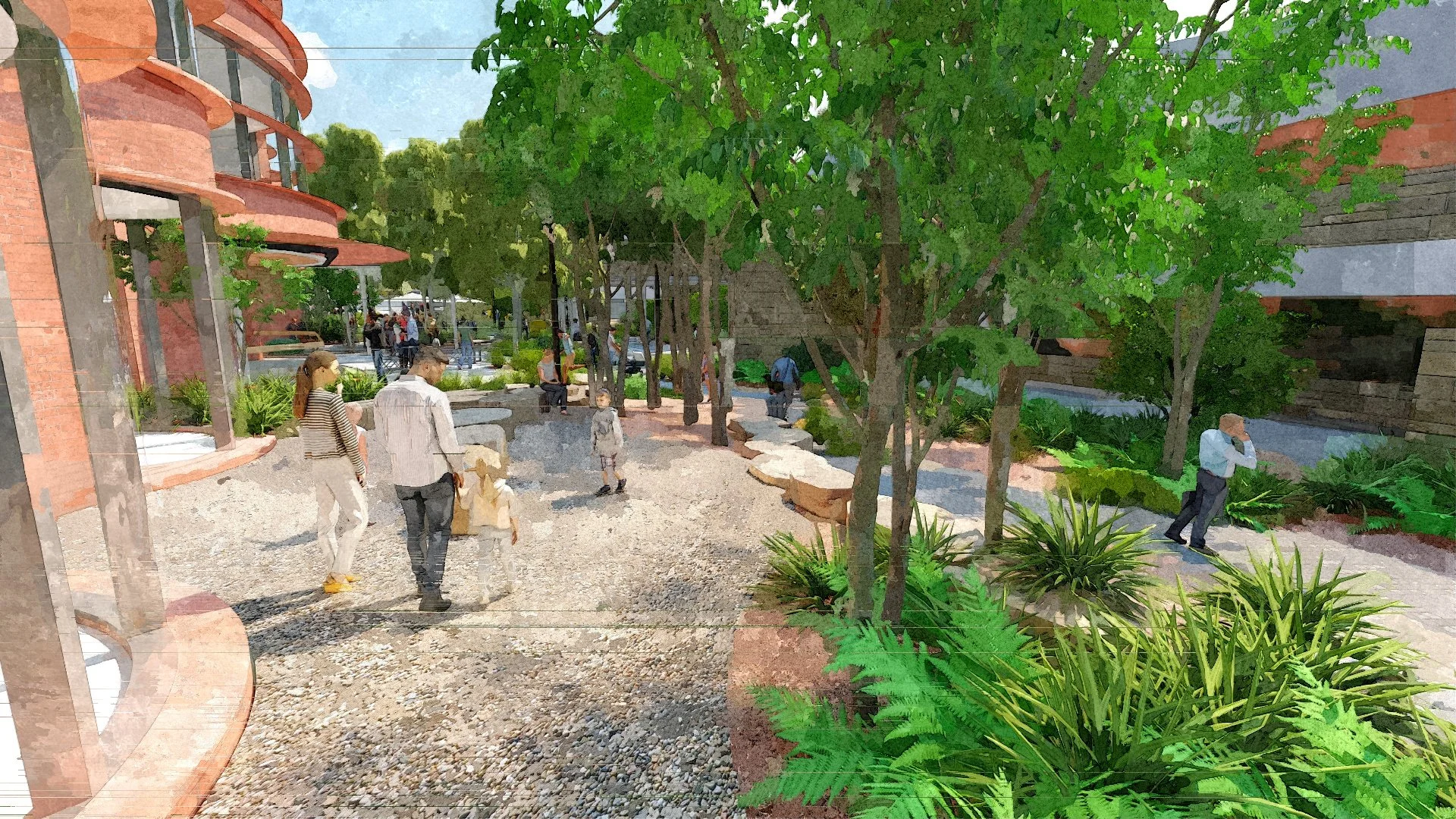
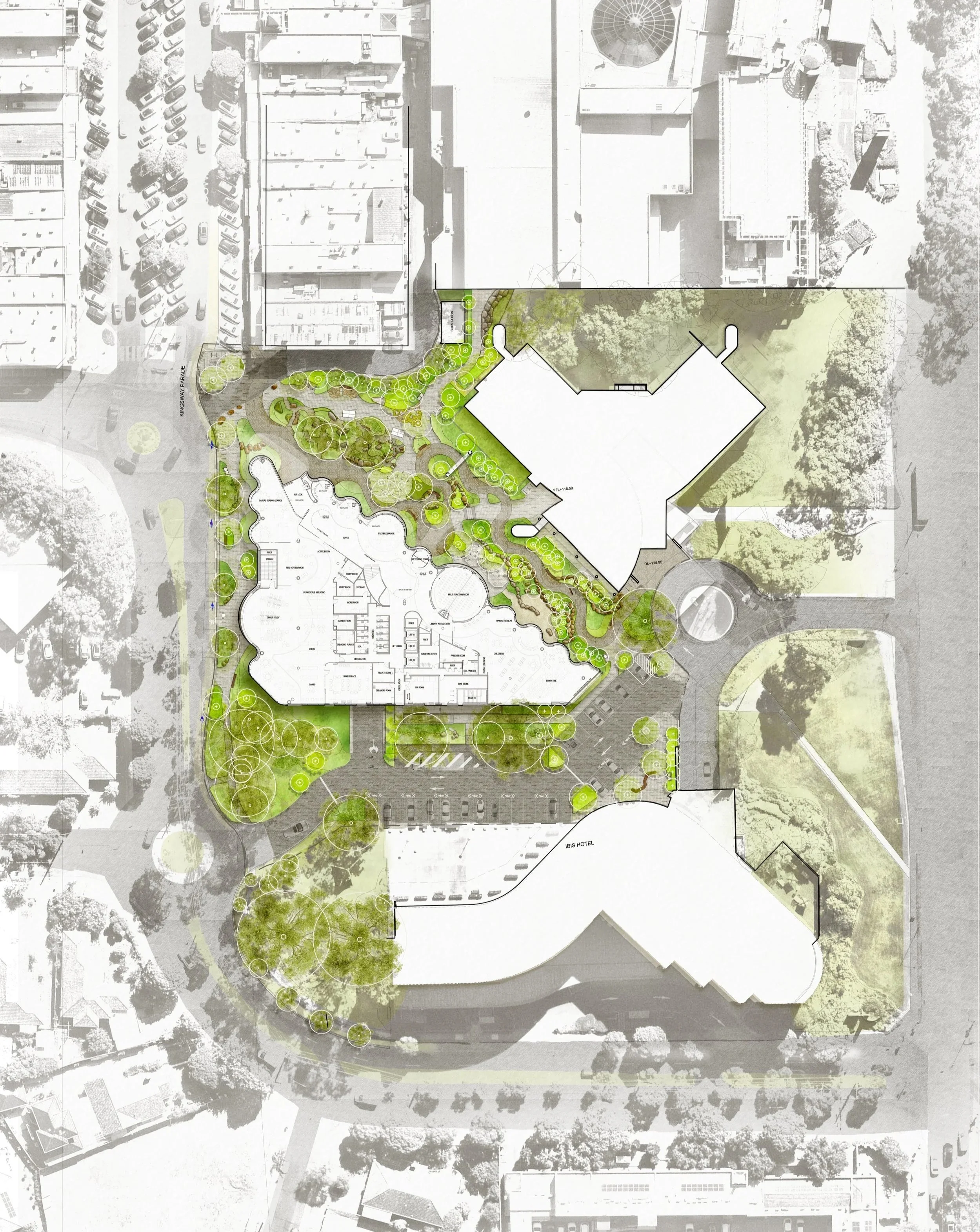
In collaboration with Lyons, Winsor Kerr, and Wurundjeri Elders, GLAS co-designed the Glen Waverley Civic Precinct alongside City of Monash’s new library, with a focus on Wurundjeri values, Climate Positive Design, ecological restoration and a strong water narrative that honour nearby waterways. The precinct revitalises the area into a vibrant and inclusive public realm, supporting play, community events, social gathering and cultural exchange. Pathways trace the movement of water, inviting moments of pause and cross-cultural interaction. At the heart of the precinct is a Weaving Circle, a safe space for Wurundjeri women to weave, share knowledge and connect. The design incorporates cultural practices such as trade and cultural burning, with planted mosaics and reflective spaces. Materials that are sourced from Country, complemented by interpretive signage, are woven into the design to tell the rich cultural narratives of the Wurundjeri people.
Traditional Custodians
Wurundjeri Woi-wurrung
Location
Glen Waverley, VIC
Scale
6,200 sqm
Year
2024
Client
City of Monash
Team
Lyons Architecture
Winsor Kerr
Wurundjeri Elders
Northrop
Through the design process, the design team has had a prime focus on interior/exterior connectivity. Enabling the landscape to be as much about the experience of the interior as being out in the elements.
Water Story
Positioned between Scotchmans Creek and Dandenong Creek, our design concept emphasizes the restoration of natural water dynamics that were altered when the creeks were straightened. By introducing features that slow water flow and increase biodiversity, we aim to reintroduce natural riverine processes such as push and pull effects. The narrative of the river could serve as a powerful conceptual Framework, seamlessly integrating the natural flow and cultural significance of water into the overall design, guiding the spatial organization and material choices throughout the precinct.
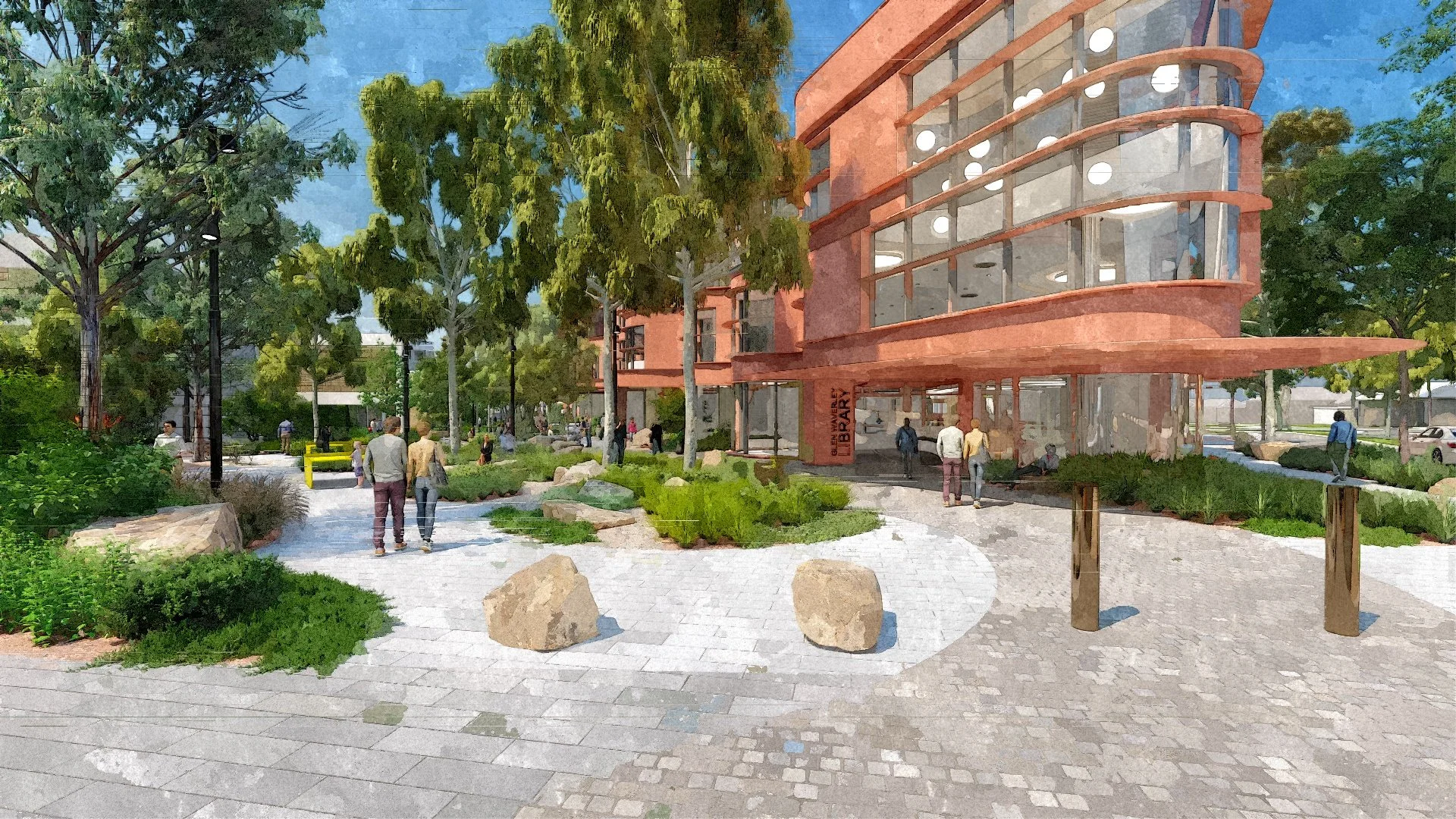
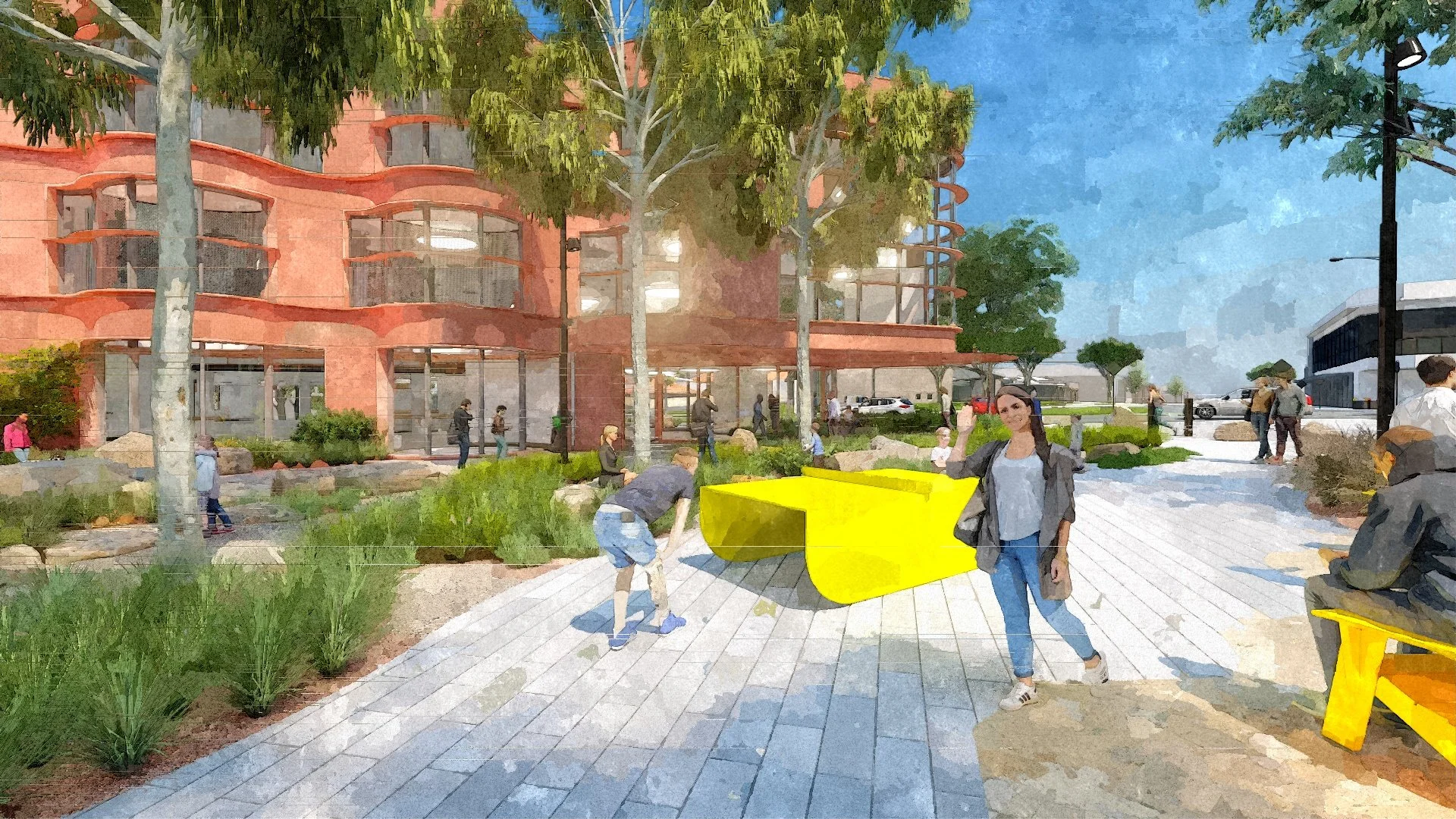
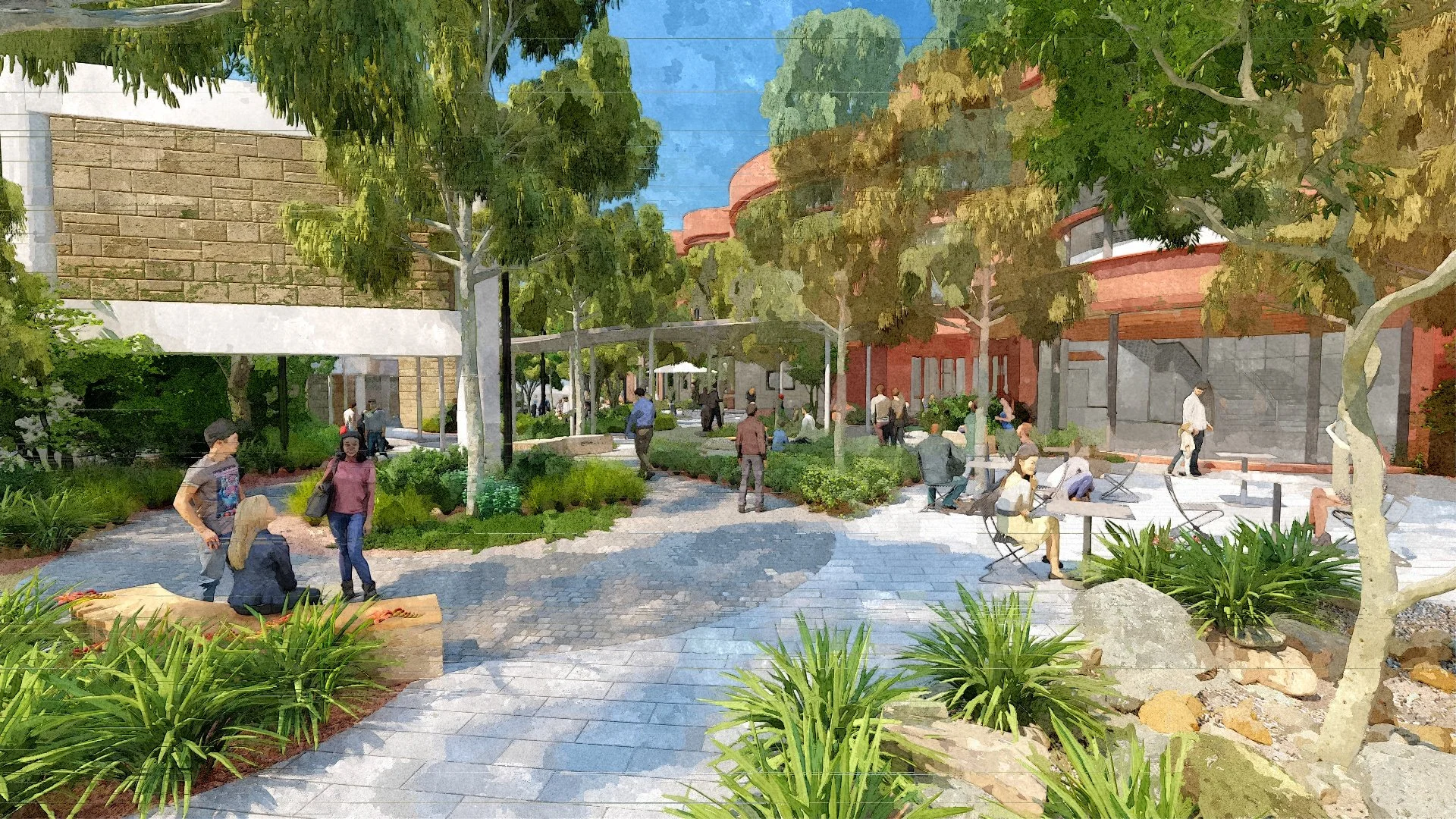
In the engagement process for the Glen Waverley Civic Precinct, our key principle of Respecting Country positions Country at the centre of our approach. Our project team is committed to engaging with the Traditional Owners, the Wurundjeri Woi-Wurrung and Bunurong peoples, to ensure that their cultural heritage and perspectives are honoured throughout the design process. We have collaborated closely with the City of Monash, community users, and the Indigenous Partnership to create a design that reflects these values. Led by Winsor Kerr, our design team aims to work in harmony with these stakeholders to create a space that respects and celebrates Indigenous heritage while serving the broader community.
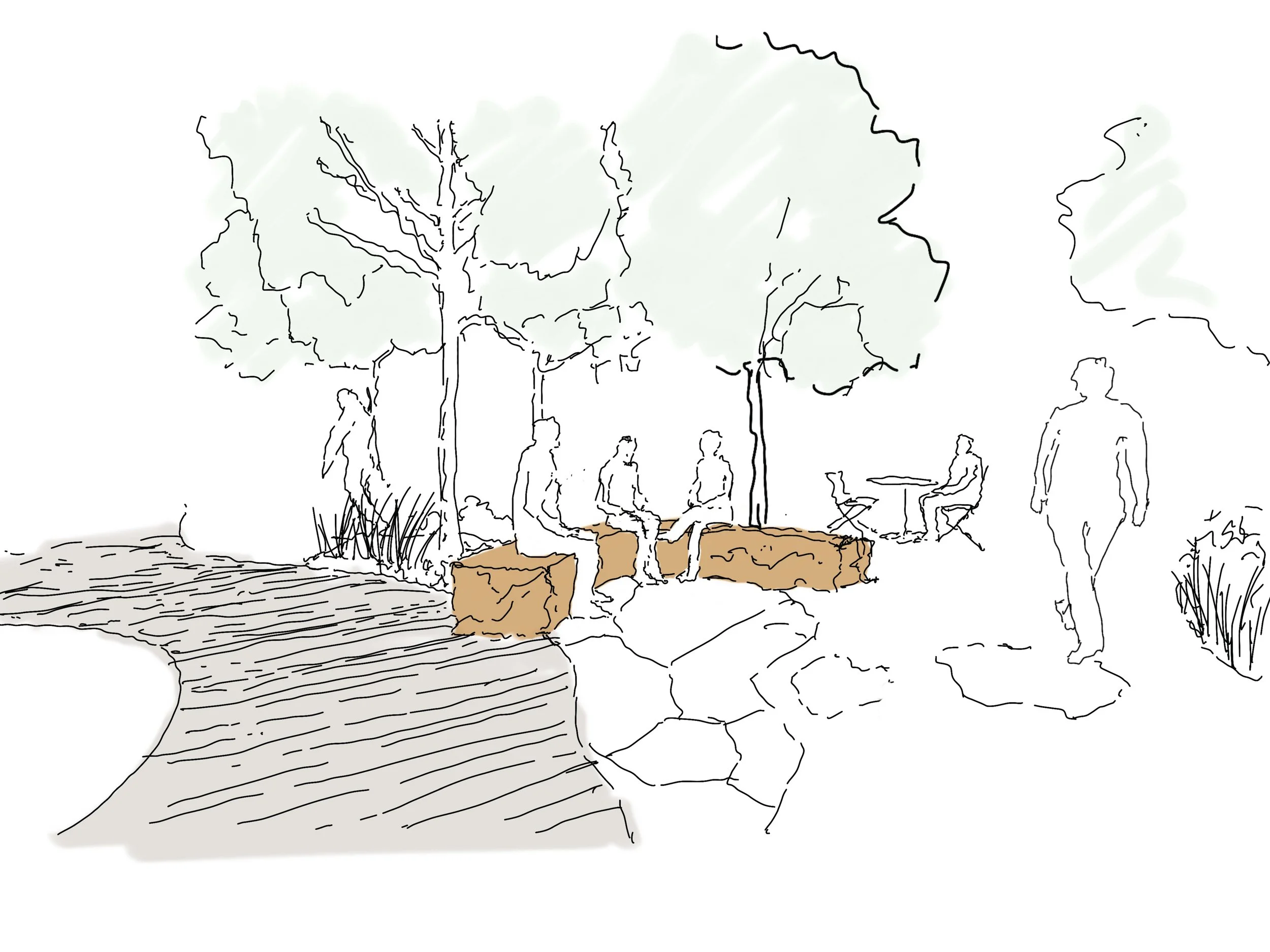
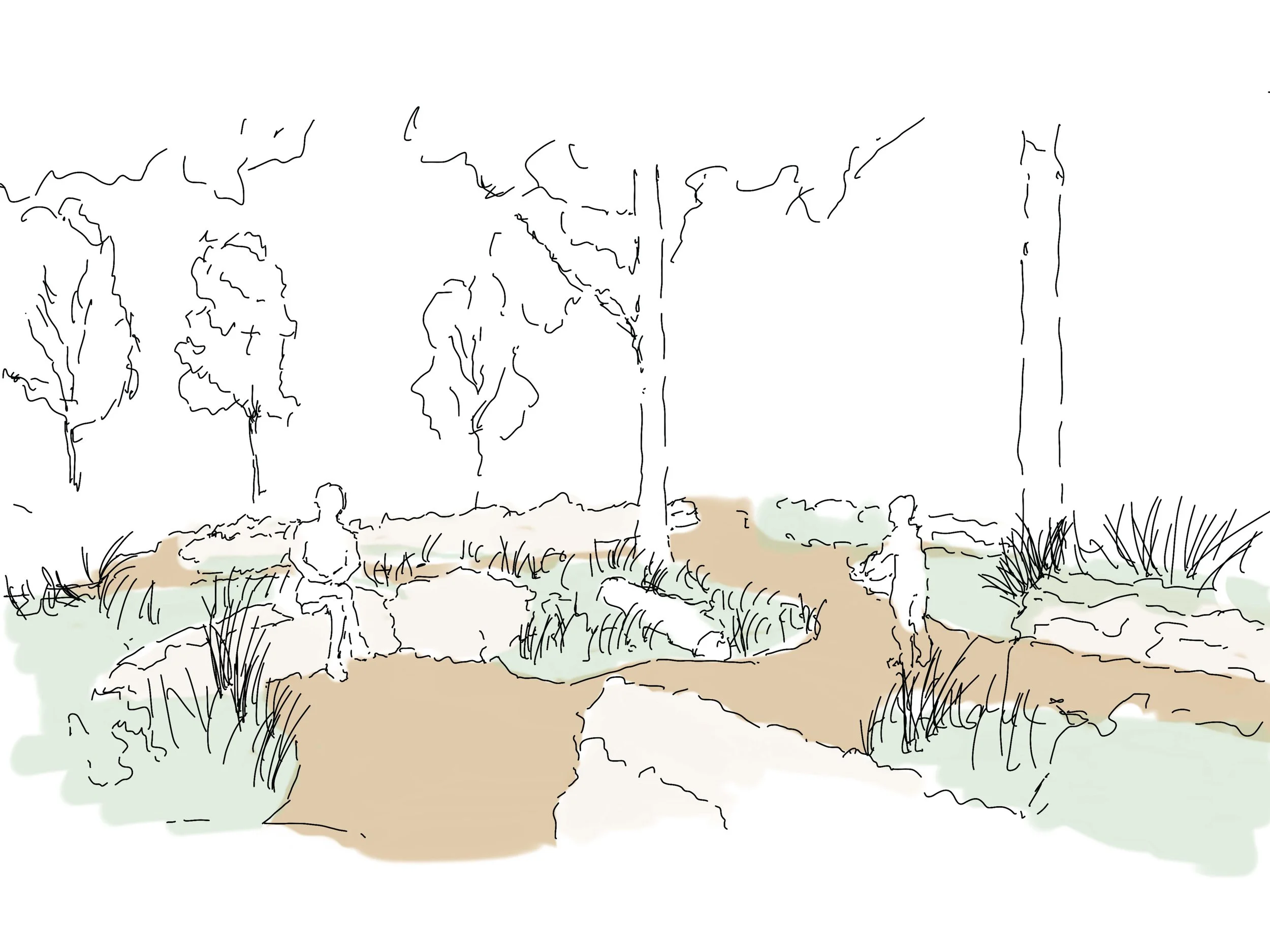
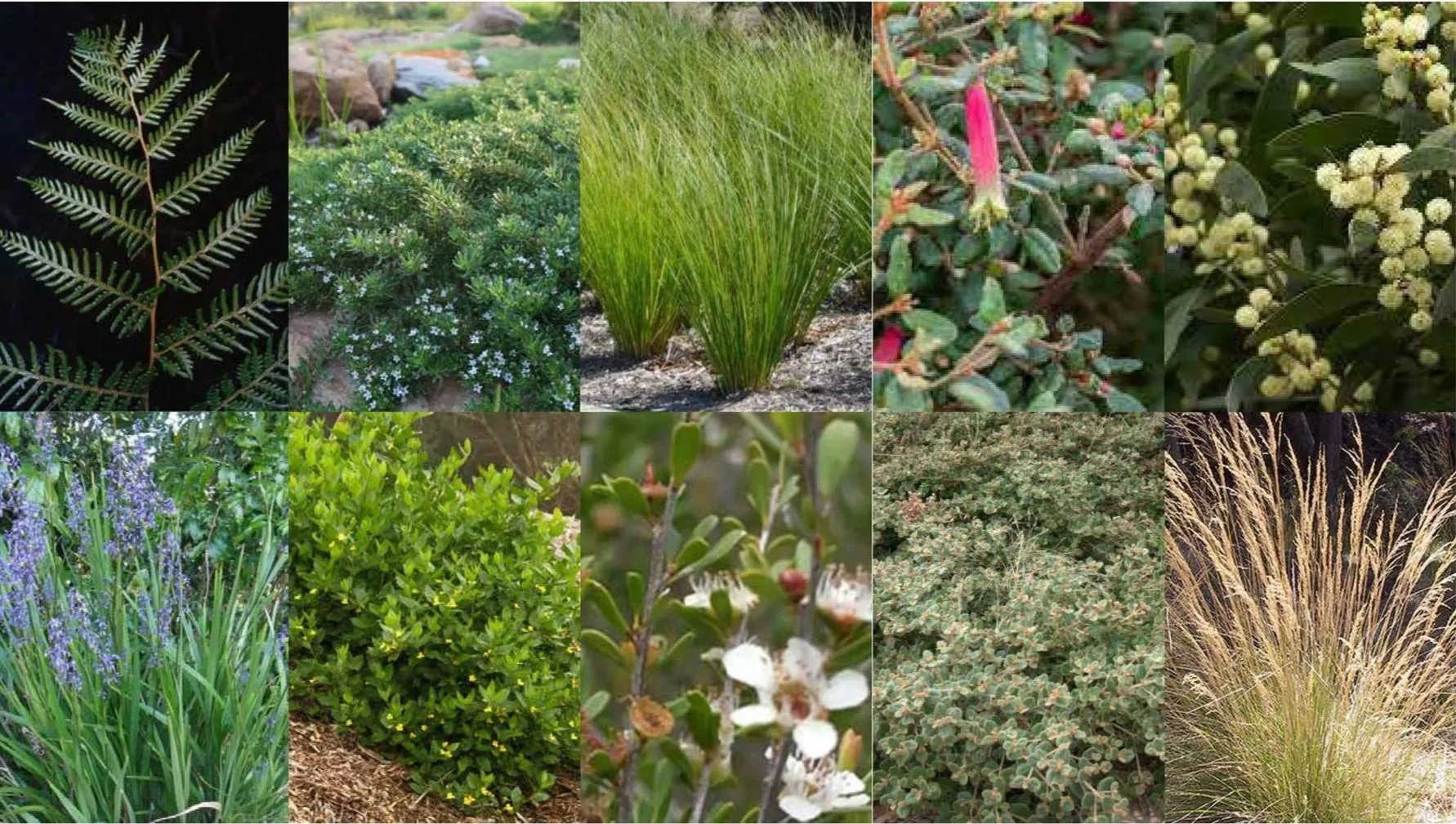
Planting with a Cultural Focus
Enhancing Biodiversity
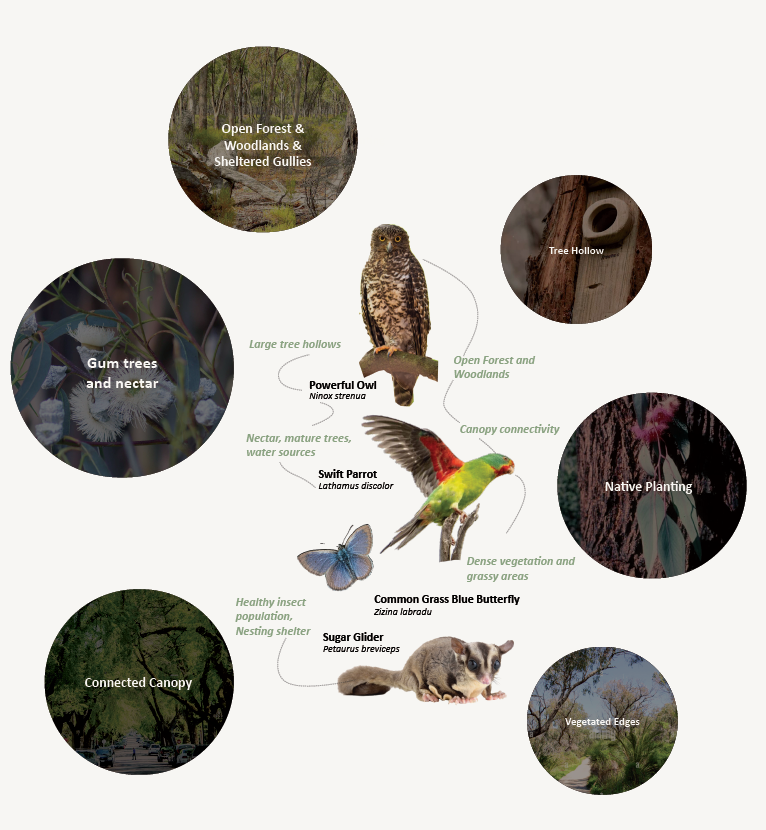
The precinct is near several important reserves: Bogong and Hinkler Reserves (Local Significant Reserves) and Shepherd’s Bush and Valley Reserve (State Significant Reserves). These nearby reserves highlight the necessity of link and integrate ecological design principles across the broader parkland framework. Strengthening connectivity and enhancing biodiversity on the site and broad area.